Third Space & Co. Is Reinventing Sauna Culture
How a Boulder recovery studio built a fast-growing community around connection — and finally found a management platform that could keep up.
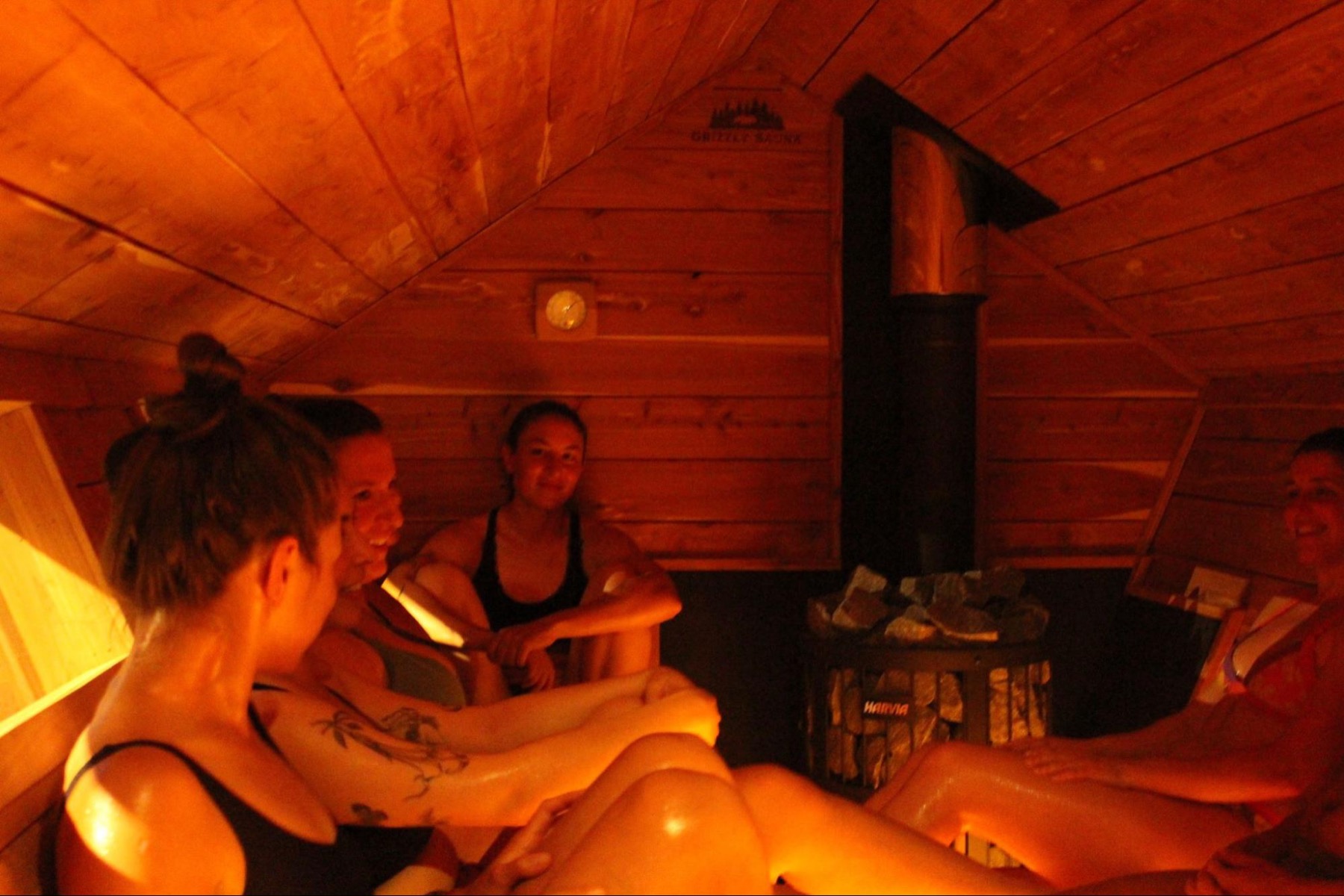
Most sauna and cold plunge concepts sell you on the biohacking: the recovery metrics, the cold exposure protocols, the private suite where you sweat alone and leave. Third Space & Co. in Boulder, Colorado bet on the opposite idea — that the real value of a sauna is the room full of people you’re sharing it with.
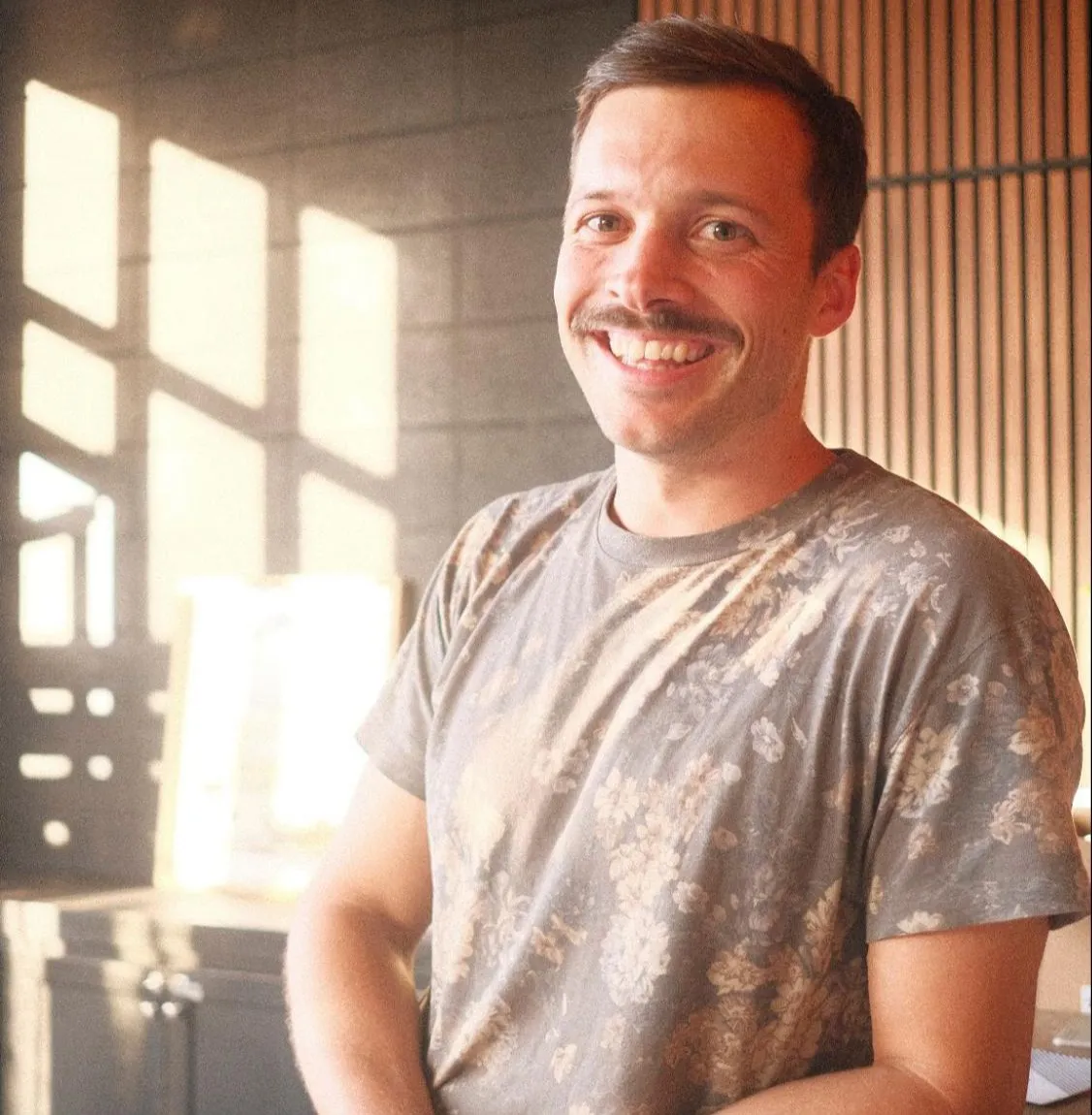
“Fitness-focused places, like gyms, usually have the saunas as more of an afterthought,” says founder Matt Radford. “And in a lot of the sauna-geared spots, you book a private sauna and a private cold plunge. I really wanted to encourage conversation, community and connection.”
Nine months after opening, that bet is paying off — 35 five-star Google reviews, a membership base that makes up the majority of its visits, and a growing reputation as one of the businesses helping turn Boulder into a genuine hub for sauna culture in the U.S. This is the story of how Third Space & Co. built it, and why the studio switched to Zipper to run it.
A “third space” by design
The name isn’t an accident. In sociology, your first space is home — where you live. Your second space is work — the office, the place you have to go. The third space is the one you opt into: the library, the cafe, the bar, the place you choose because you want connection.
“A third space is a place for social connection that you opt into going,” Radford explains. “That’s exactly what we set out to build.”
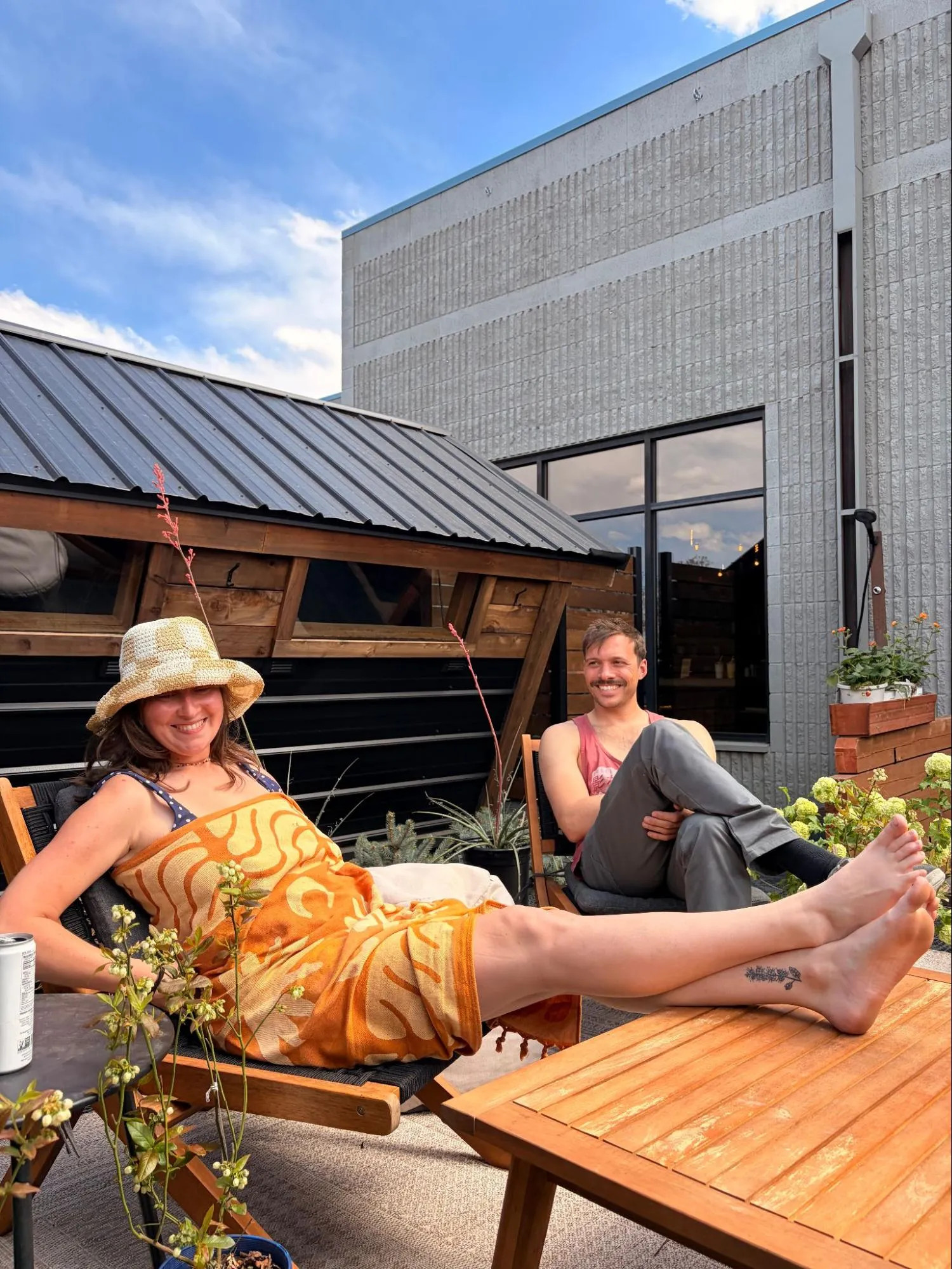
Operationally, that vision shaped every decision. Third Space & Co. runs four saunas and three cold plunges, with a lounge, a bar, an outdoor deck, and yoga equipment all in one open floor plan. When you book, the space is essentially yours to roam.
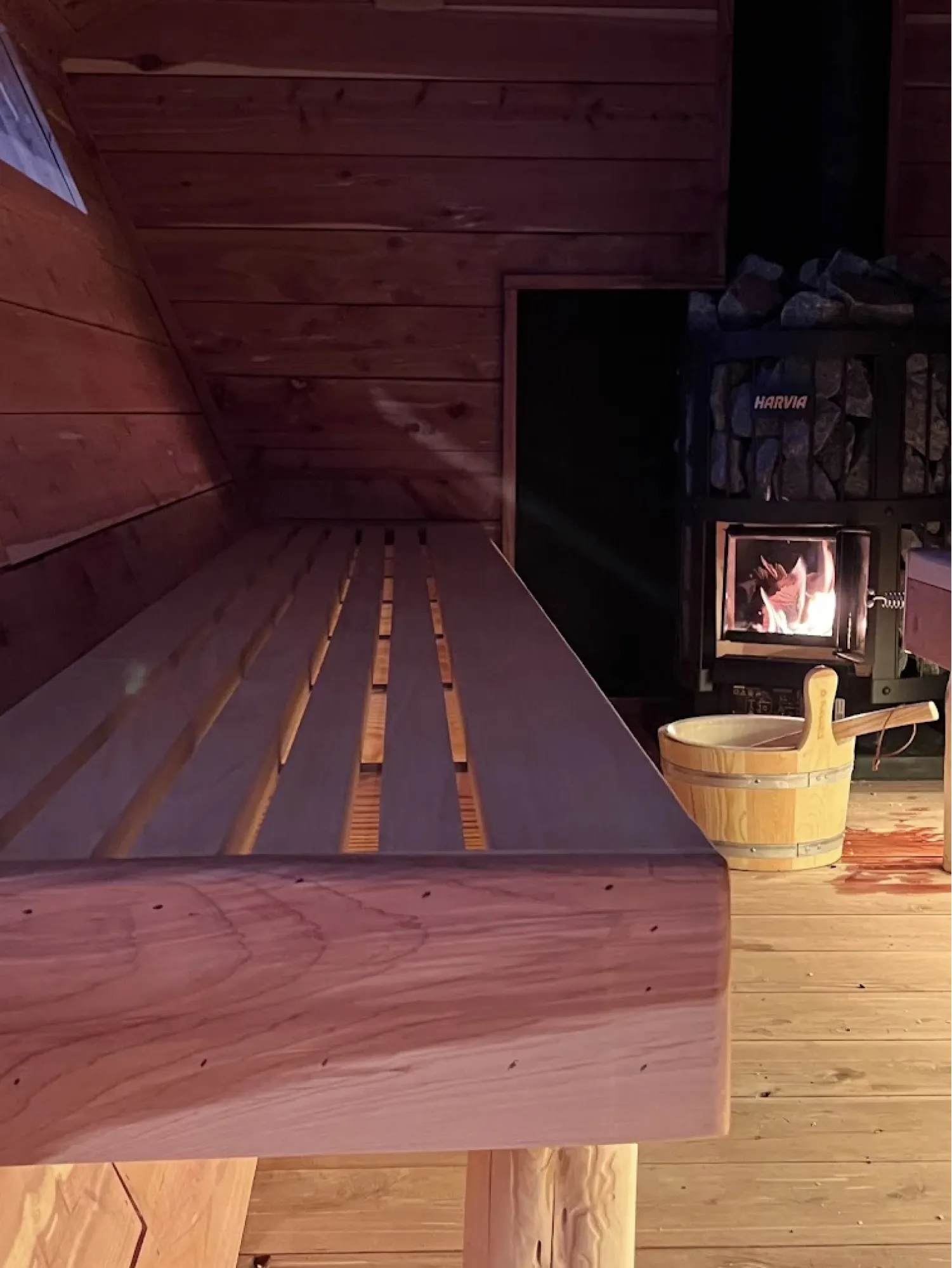
“The idea is complete free range,” says Radford. “If you want to come in and just sauna, or just cold plunge, you can. We check you in at the door, and you can hang out on the deck, stretch in the lounge, grab a coconut water at the bar. Or you can sauna for an hour straight, if that’s what you’re into.”
Sessions run hourly and are open to the public — 16 people join each slot alongside whoever else booked that hour, so there’s always a room to walk into rather than a suite to hide in. And while the studio has capacity for 24, it deliberately caps bookings at 16. “The idea is to allow for slack in the system,” Radford says. “We didn’t want to simply cram as many people as we could into the space. With that, if someone wants to stay a bit over their time, or comes in a bit late, we can accommodate.” Private sessions exist, but they’re handled separately — the heart of the model is the shared hour.
Growth built on events, word of mouth, and a $7 intro offer
Tucked off the beaten path, Third Space & Co. doesn’t get much walk-by traffic, so growth has come from three intentional levers.
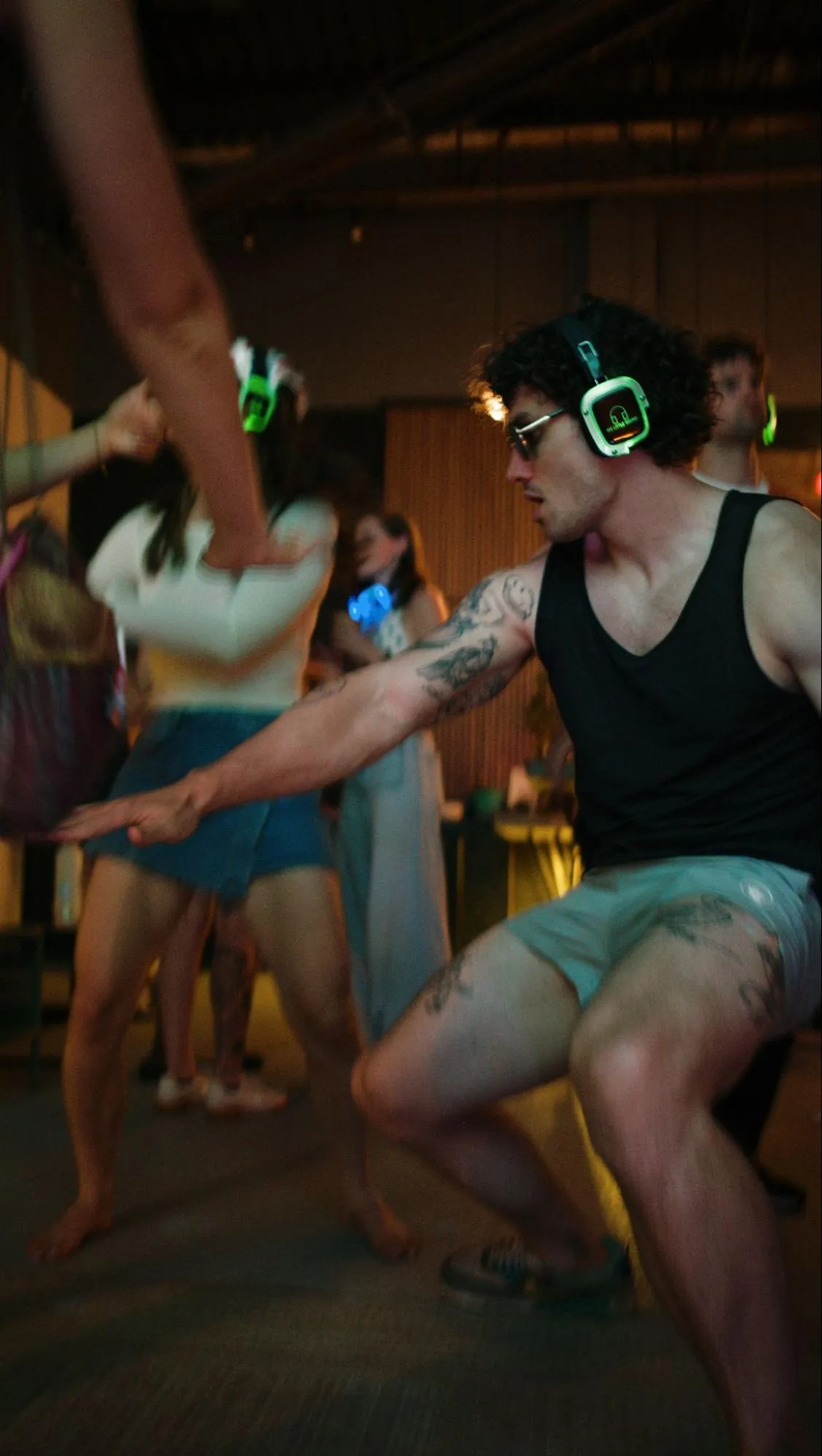
The first is a packed events calendar. Mornings might bring yoga or Pilates; evenings lean social, with dance parties and workshops on everything from massage to acupuncture. “The idea is to create a space that’s interesting to anyone,” Radford says. “Someone who might not necessarily check out a sauna spot might check out a dance party, or a yoga class.”
The second is a deliberately low barrier to entry: a $7-for-7-days intro offer. “Seven dollars for seven days is something anyone can afford,” Radford says. “It gives you the chance to see how Third Space works in your schedule over the course of a week, and then decide if it’s a good fit.”
The third — and, in Boulder, the most powerful — is word of mouth. “Despite having the population of a city, Boulder operates a bit more like a small town,” Radford says. “When we ask people how they found out about us, nine times out of ten it’s through a friend.” That organic engine is backed by strong SEO to capture the searches the location can’t, and by automated review requests when someone becomes a member — the combination that’s produced 35 five-star reviews in well under a year.
Third Space & Co. has also turned its community model into a retention engine, and the right tools make that easier. Zipper’s guest pass has been a standout — a simple feature that lets members bring people into the space with them. “We’ve had a lot of positive feedback — members saying, ‘This is great, now I can bring my friends,’” Radford notes. “It further integrates it into their daily lives, because they’re no longer showing up solo.” It’s a small example of a larger truth Radford came to appreciate the hard way: when you’re building something this specific, the platform running it matters more than you’d think.
The breaking point: when the platform becomes the problem
Third Space & Co. didn’t start on Zipper. Like a lot of new studios, it went with a bigger, more familiar name first.
“When you’re first looking for a tech platform, it’s really hard to gauge what’s actually going to work,” says Radford, who comes from a tech background himself. “Every SaaS product has their homepage and their feature list. But until you’re actually using the platform, it’s impossible to know what’s going to go right and what’s going to go wrong.” Glofox seemed like the safe default — a known name that other studios were already running.
Within about six months, the cracks showed. “It was clear there was just a lot of operational headache,” Radford says. “Issues would arise out of nowhere.” At one point, members were getting double the credits they’d purchased, with no clear explanation. Another time, new members’ credit card information wasn’t being saved. Fixes felt like workarounds rather than solutions.
“There’s already a lot on my plate as a business owner,” Radford says. “Having to troubleshoot new problems that keep popping up on the platform you’re relying on is a huge pain.” The tools, he felt, weren’t really built for a sauna and cold plunge business.
The switch to Zipper
The turning point was, fittingly, word of mouth. One of the studio’s own members recommended Zipper, and Radford decided to take a look. What he found was a team that was noticeably more hands-on and involved in its own product.
“That sold us on the switch: working with a team that’s more agile,” Radford says.
The studio moved to Zipper in April. What immediately made the difference was reliability. “First and foremost, just having a platform we can rely on, that consistently does what we need it to do,” Radford says. “That’s baseline, and we weren’t getting it before.”
Just as important was flexibility. A sauna social club doesn’t map neatly onto software built for group fitness, and Zipper’s customization abilities let Third Space & Co. reshape the platform around its actual model.
“We don’t really have classes, per se — ‘sessions’ is a more accurate term for us,” Radford says. “And we don’t have instructors for most of what we do. Throughout the day there are tons of self-guided sessions.” Zipper let the studio rename its terminology across the platform, run sessions without requiring an assigned instructor for each one, and set hard capacity limits on every slot — none of which fit a standard check-in system.
“Zipper lets us shape the platform around exactly how we run — our terminology, self-guided sessions, capacity limits. The customization is really big for us.”
— Matt Radford, Founder, Third Space & Co.
Asked what he’d tell another sauna or cold plunge owner weighing the same move, Radford didn’t hesitate: “Yes — if you want a platform that works.”
Since the switch, the relationship has stayed close. “Issues do come up — that’s unavoidable with any tech platform,” Radford says. “But Zipper resolves them quickly and stays communicative. That goes a long way. There’s a reason we’re sticking around.”
Lessons learned, and the road ahead
Nine months in, Radford’s biggest takeaway isn’t about equipment or marketing. It’s about people. “Finding and working with the right team and the right vendors has been really important,” he says. “During construction, some vendors were passionate and communicative and knowledgeable, and others were just trying to get the job done and move on. There’s only so much I can do — being able to rely on people is what makes everything work.”
That philosophy extends to how he tracks the business. Churn rate and new customer growth are the two numbers he watches most closely: how fast is the community growing, and how much of that growth is it actually holding on to? With 60–70% of customers on recurring memberships, the model is built for exactly that kind of durable, habitual use.
“To really encourage the practice, you want a membership so you don’t have to think twice about going,” Radford says. “The benefits come from repeated use — and from continuing to connect with people at the space.”
He also has a clear read on where the wellness industry is headed — and it lines up neatly with the bet Third Space & Co. already made. “I lean toward it being a more communal and social space,” he says. “Look at the practices in Japan or Finland or Russia — they’re not really biohacking as much as they are communal spaces for people to gather and connect. If you sit in a small room with people and it’s quiet long enough, someone’s going to start a conversation. That’s the magic of sauna. The biohacking stuff is great because it gives the culture here an excuse to sauna — but the more people do it, the more they realize it’s a lot more than detoxing.”
Radford never launched Third Space & Co. to franchise or chase locations. The goal is to keep optimizing the one space he has and give back to a community he loves. “I’m really hopeful for Boulder to become more of a capital of sauna culture in the U.S.,” he says, “and I’m excited that Third Space gets to be part of it.”
For anyone who’s never tried it, his pitch is simple. “It hits reset on whatever funk or mood I’m in — I can feel so much better within 20 or 30 minutes,” he says. “And it’s a great excuse to put your phone away and strike up a conversation with a complete stranger. That’s something I think we need a lot more of.”
Third Space & Co. is a sauna and cold plunge social club in Boulder, Colorado, built around community and connection. It runs open sessions, memberships, events, and email and SMS communications on Zipper.
Running a studio that doesn’t fit the group-fitness mold? See how Zipper works as sauna and cold plunge studio software, or if you’re thinking about leaving Glofox, how migrating to Zipper works. Ready to talk? Request a demo and we’ll walk through your exact workflows.